

What Is a Laboratory Stomacher Blender and How Is It Used in Microbiological Analysis?

Accurate sample preparation is one of the most important steps in microbiological analysis. The quality of test results often depends on how effectively a sample is processed before microbial examination begins. Whether testing food products, pharmaceutical materials, cosmetics, or environmental samples, laboratories require a reliable method to obtain representative and reproducible results.
A stomacher blender is a widely used solution for sample homogenization in microbiology laboratories. By creating a uniform suspension from solid or semi-solid samples, it supports efficient microbial recovery and helps ensure consistent testing outcomes. Today, the laboratory stomacher blender is considered an essential part of modern microbiology laboratory equipment and laboratory workflows.
What Is a Laboratory Stomacher Blender?
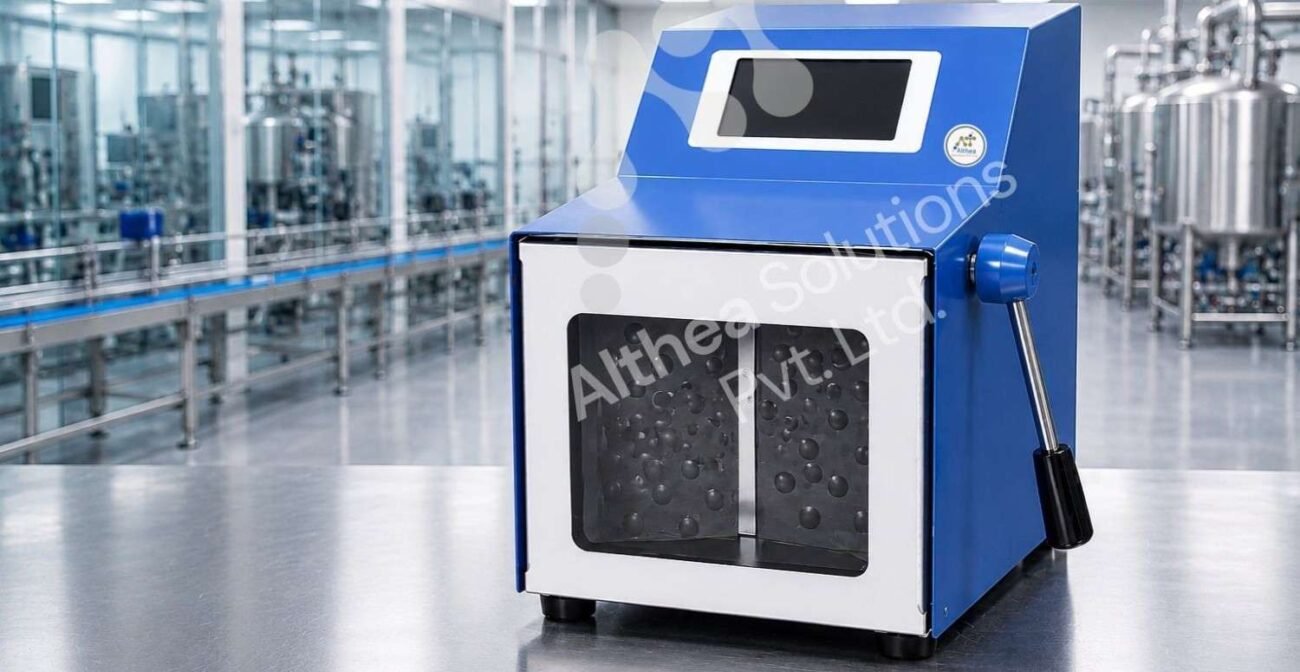
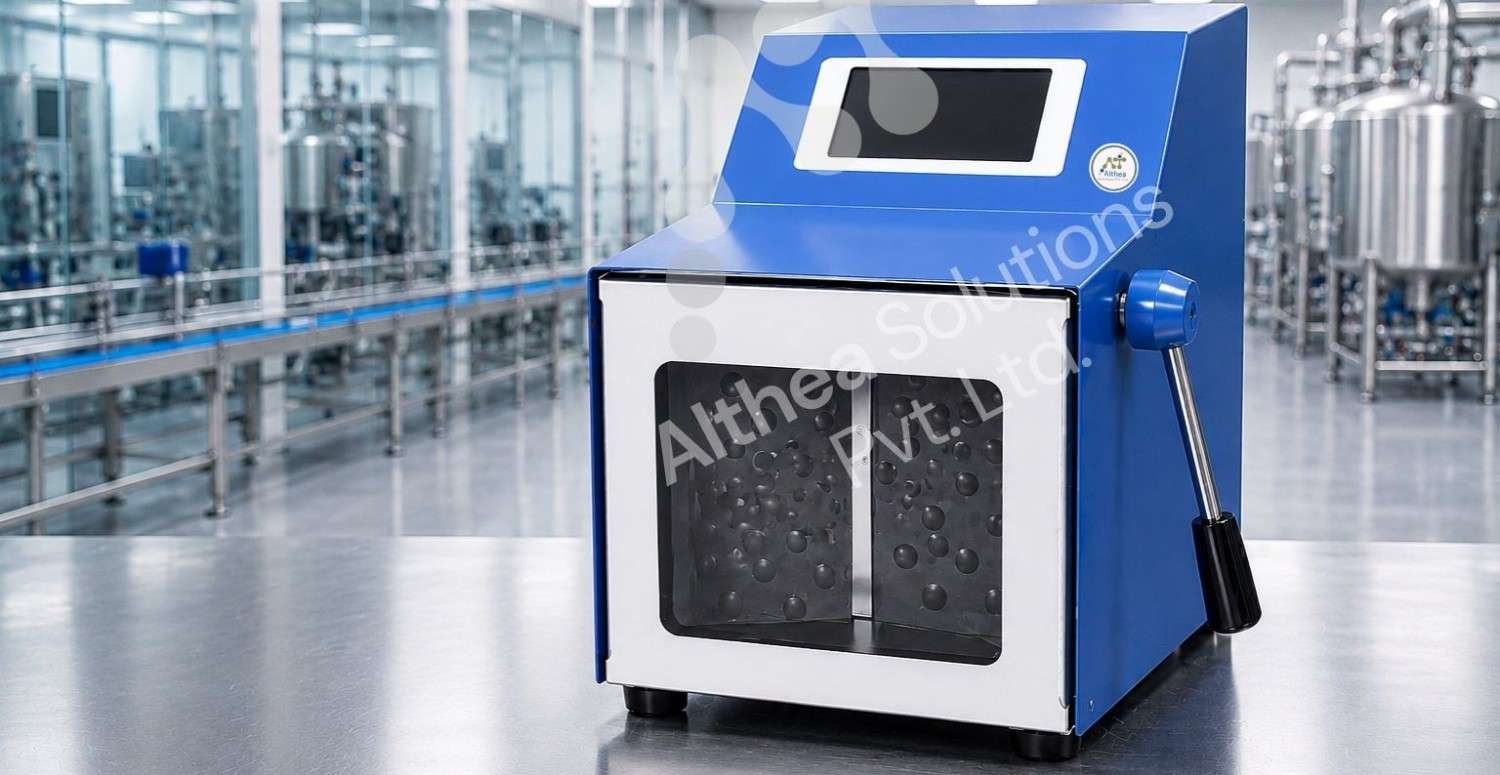
A laboratory stomacher blender is a sample homogenization system designed to process samples inside sterile disposable bags. Unlike conventional blenders that use rotating blades, a stomacher homogenizer utilizes paddle-based mechanical action to gently and effectively homogenise samples.
The primary purpose of a stomacher blender is to create a uniform suspension suitable for microbiological testing. This homogeneous mixture allows microorganisms to be evenly distributed throughout the sample, making subsequent microbial analysis more accurate and reliable.
Because the sample remains enclosed within a sterile bag during processing, the system helps maintain sample integrity while supporting efficient laboratory sample preparation. Modern laboratory stomacher blender systems offered by Althea Solutions are designed to support consistent sample processing across food, pharmaceutical, environmental, and research applications.
How Does a Stomacher Blender Work?
A stomacher blender operates through a controlled paddle-based homogenization process.
The sample is placed into a sterile bag along with an appropriate diluent or buffer solution. Once the bag is positioned inside the instrument, opposing paddles repeatedly compress and release the sample.
This controlled action breaks down the sample matrix and releases microorganisms into the liquid medium without damaging them. The result is a homogeneous suspension that can be used for culture-based testing, pathogen detection, and other forms of microbial analysis.
Since the sample remains sealed throughout processing, the risk of contamination is minimized while maintaining consistent sample handling procedures.
Why Is Sample Homogenization Important in Microbiological Analysis?
Effective sample homogenization is critical for obtaining accurate microbiological results. A well-homogenized sample ensures that microorganisms are evenly distributed, making it easier to collect representative aliquots for testing.
Inconsistent sample preparation can lead to variations in microbial recovery and affect reproducibility. Homogenization helps improve testing accuracy by ensuring that the analyzed portion accurately reflects the original sample.
Key Benefits
- Consistent sample preparation
- Improved microbial recovery
- Faster laboratory workflows
- Reduced handling steps
For laboratories performing routine food microbiology testing, pharmaceutical quality control, or research applications, reliable homogenization is an essential step in obtaining dependable results.
Applications of a Stomacher Blender in Different Industries
Food and Beverage Testing
The stomacher blender is extensively used in food microbiology testing to analyze products such as meat, dairy, beverages, fruits, vegetables, and processed foods. It helps recover microorganisms efficiently from complex food matrices and supports regulatory compliance testing.
Pharmaceutical and Life Sciences Laboratories
Pharmaceutical laboratories rely on microbiology testing equipment for product quality assurance, contamination monitoring, and research activities. A homogenizer for microbiology helps prepare samples for microbial enumeration and sterility-related studies.
Cosmetic Product Testing
Cosmetic manufacturers use homogenization systems to prepare creams, lotions, gels, and personal care products for microbiological examination. Uniform sample preparation supports accurate microbial detection and product safety evaluations.
Environmental Monitoring
Environmental laboratories process soil, sludge, water-related solids, and other environmental samples for microbial assessment. A stomacher homogenizer helps create representative suspensions suitable for analysis.
Advantages of Using a Stomacher Blender for Microbiology Testing
One of the main advantages of a stomacher blender is its ability to produce highly uniform samples. Consistent homogenization contributes to improved reproducibility and reliable analytical outcomes.
The use of sterile disposable bags helps reduce the risk of cross-contamination between samples. This is particularly important in laboratories processing large volumes of specimens each day.
A stomacher homogenizer also supports efficient microorganism extraction from solid samples, making microbial detection more effective. The simple operating process allows laboratory personnel to perform routine sample preparation with minimal complexity.
As a result, laboratories benefit from reliable, repeatable, and standardised workflows for microbial analysis and quality control testing.
Choosing the Right Stomacher Blender for Your Laboratory
Selecting the appropriate stomacher blender depends on the specific needs of the laboratory.
Sample volume requirements should be carefully evaluated to ensure the instrument can accommodate routine testing demands. Laboratories with high throughput may benefit from advanced automation and programmable operating modes.
Sterilisation features, including UV functionality and sterile bag compatibility, can further support contamination control protocols. Ease of cleaning is another important consideration, particularly in regulated testing environments.
User-friendly interfaces, touch screen controls, and adjustable operating parameters can improve efficiency while helping laboratories maintain standardised testing procedures.
When evaluating microbiology laboratory equipment, laboratories should consider suppliers such as Althea Solutions, which offer stomacher blender systems with configurable features to meet varying sample preparation requirements.
The Role of a Stomacher Blender in Modern Microbiology Laboratories
A stomacher blender plays a critical role in modern microbiological analysis by providing consistent and efficient sample homogenization. Its ability to process samples within sterile bags helps improve microbial recovery, reduce contamination risks, and support accurate laboratory testing.
From food microbiology testing and pharmaceutical quality control to environmental monitoring and research applications, the stomacher blender remains an important tool for reliable laboratory sample preparation. Laboratories seeking high-quality microbiology testing equipment can explore advanced stomacher homogenizer solutions from Althea Solutions to support scientific and industrial testing requirements.
Frequently Asked Questions
Q1. What is a stomacher blender used for?
Answer: A stomacher blender is used for homogenizing solid and semi-solid samples before microbiological testing. It creates a uniform suspension by processing samples inside sterile bags, helping laboratories prepare representative samples for microbial enumeration, pathogen detection, and quality control applications.
Q2. How does a stomacher blender help in microbiological analysis?
Answer: A stomacher blender helps release microorganisms from solid sample matrices into a liquid medium through controlled paddle action. This creates a homogeneous mixture that improves microbial recovery, supports consistent testing procedures, and enhances the accuracy of microbiological analysis results.
Q3. What samples can be processed in a stomacher blender?
Answer: A laboratory stomacher blender can process a wide range of samples, including food products, pharmaceutical materials, cosmetic formulations, environmental specimens, biological samples, and research materials. Its versatility makes it valuable across multiple laboratory sectors.
Q4. Is a stomacher blender suitable for food testing laboratories?
Answer: Yes. A stomacher blender is widely used in food microbiology testing laboratories because it efficiently homogenizes food samples while maintaining sample integrity. It supports microbial analysis for quality assurance, safety testing, and regulatory compliance programs.
Q5. What are the benefits of using sterile bags during homogenization?
Answer: Sterile bags help reduce contamination risks by keeping samples enclosed throughout processing. They eliminate direct contact between the sample and the instrument, simplify cleanup procedures, improve workflow efficiency, and support reliable microbiological testing practices.